Your certificate
A personalised digital certificate with the name you choose.
Certificate of symbolic adoption
Your chosen name
has met
A red panda character
Meet a fictional character inspired by the red panda, and follow their gentle adventures through a story made to feel like yours.
The character is fictional. Membership includes story content and a personalised certificate.
A personalised digital certificate with the name you choose.
Certificate of symbolic adoption
Your chosen name
has met
A red panda character
A made-up friend inspired by the real red panda.
Carefully sourced notes about the animal that inspired the story.
The character is made up. The species facts are sourced separately and shown with their references.
A forest specialist of the eastern Himalayas
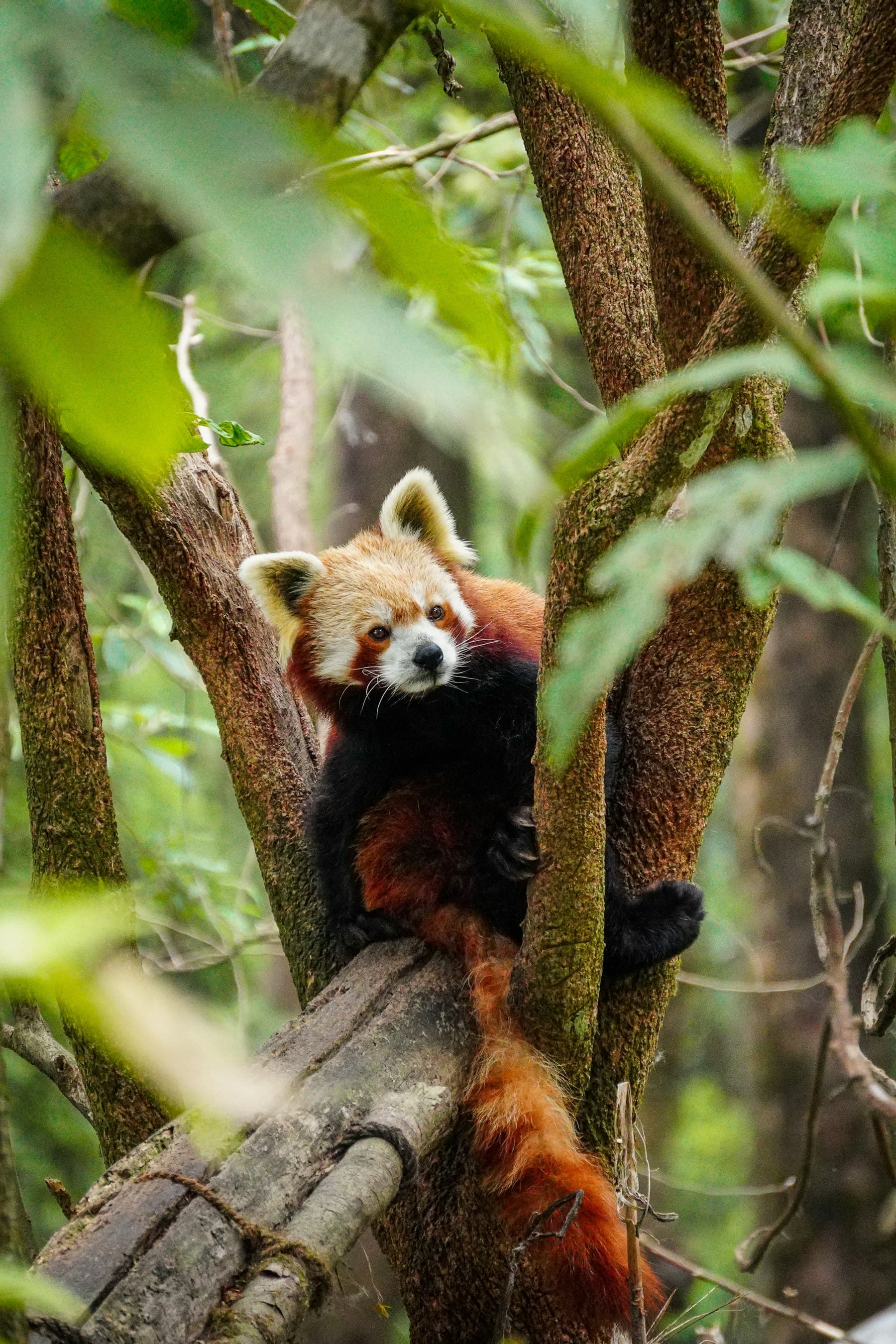
The red panda (Ailurus fulgens) is a small, tree-dwelling mammal associated with cool temperate forests in the eastern Himalayas and nearby mountain ranges. Its range crosses national borders, including parts of Nepal, India, Bhutan, Myanmar and China. Forest structure matters: trees provide places to rest and nest, while bamboo is a major food source. Red pandas are agile climbers. Their long, bushy tails help with balance and can be wrapped around the body in cold weather. Though they are called pandas, red pandas are a distinct species from the giant panda. They feed mainly on bamboo, with other foods such as fruit, eggs or small animals sometimes forming part of the diet. Local conditions influence what is available.
Source: WWF ↗The value of connected forest
Clearing and degradation of forest can remove both nesting trees and bamboo. Roads, settlements and other changes can break a continuous habitat into smaller patches, making it harder for animals to move between them. Traps set for other wildlife may also injure or kill red pandas, and poaching remains a concern in parts of the range. These pressures are tied to the landscapes that people also rely on. Careful planning, community-led forest stewardship and reliable monitoring can help identify where habitat is being lost and which connections are important. Conservation information should explain the region and evidence behind a claim rather than implying every forest faces precisely the same pressure.
Source: WWF ↗Watching a secretive animal
Because red pandas spend much of their time in trees and can be difficult to observe, surveys may use signs, camera traps and other methods. A survey result describes the area and method used; it should not be treated as a complete count of every red panda across the species’ range.
Source: WWF ↗Join the monthly story membership, add a name to the certificate and make it a gift with a short dedication.
Monthly membership: £9.99, billed each month. Cancel at any time in your membership account.
90% of each monthly payment will be transferred to International Animal Rescue to support protecting animals around the world
Personalise the certificate
No. It is a symbolic adoption of a fictional red panda character with a monthly story membership.
Yes. The membership is £9.99 per month, billed monthly.
90% of each monthly payment will be transferred to International Animal Rescue to support protecting animals around the world